Sql Server and Copilot. What the query it this? Part 2, portal experience

Welcome back! In part one (click here), I've introduced Azure Sql Copilot. In this second part, I'm going to take you along in the Azure portal experience. I'll write about my personal experiences, opinions and the different angles you can use to connect with your database. Let's dig in! For this first part, I’m putting … Continue reading Sql Server and Copilot. What the query it this? Part 2, portal experience

Sql Server and Copilot. What the query it this? Part 1, introduction

Welcome to a series of three blogs where I'm going to explore Azure Sql Copilot. This series will portray a lot of my experiences trying out Azure Sql Copilot. The first blog will feature a short introduction and an introduction on Copilot security. The following blogs will focus on a lot of testing. Remember, AI … Continue reading Sql Server and Copilot. What the query it this? Part 1, introduction

Fabric Lakehouse Data Ingestion: CSV vs. SQL Scenarios

This blog will be a quite short one compared to the other blogs as it's more of an overview to show you the capacity of Fabric ingesting CSV files in their native format into a Lakehouse and ingesting SQL data into a table structure inside the Lakehouse. Simple, straightforward stuff without any form of modification. … Continue reading Fabric Lakehouse Data Ingestion: CSV vs. SQL Scenarios

Mind your collation!

Blog alert! My colleague recently came to me with a fun challenge: why is their SQL Server Hashbytes conversion not working as expected? After some digging, I discovered significant differences between text data types when converting them. Check out my latest blog post to learn more about this interesting topic. #SQL #datahashing #techtalk #SqlServer #Microsoft

Not every SQL is created equal

Yes I know, clickbaity cheesy title. This blog is a bit like that, but maybe you'll learn something as well. Issue In short, what I was facing today was a trial migration from System A to System B. Which means that data has to flow from one system to the other. System A is a … Continue reading Not every SQL is created equal

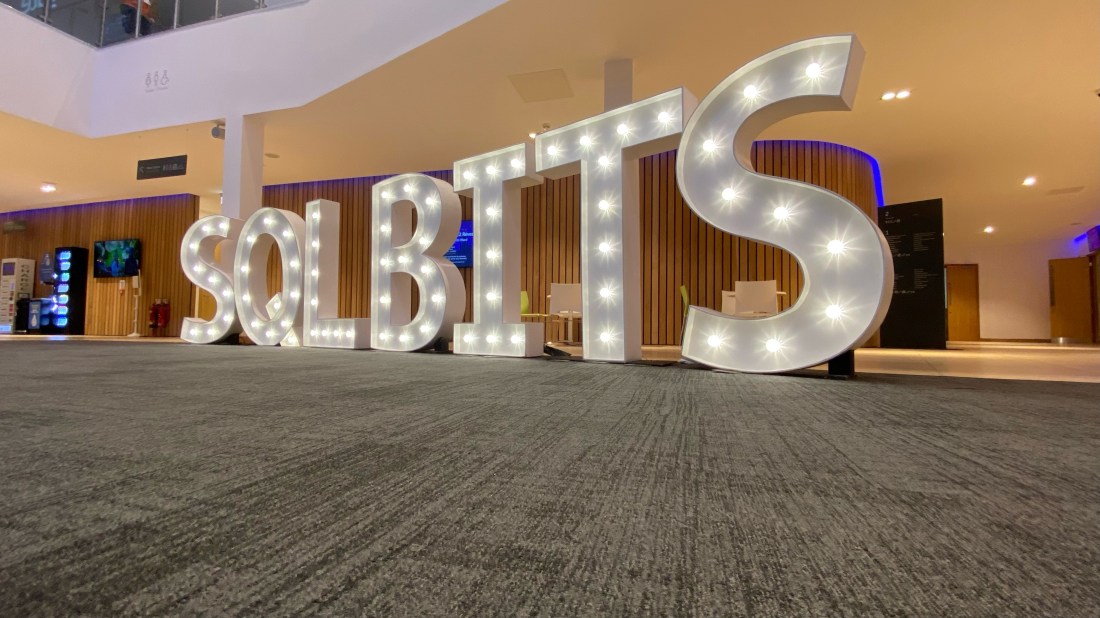
SQL Bits is coming!

In case you missed it, in a few weeks, SQL Bits is happening. This year it's quite close to London in the town of Farnborough. This place keeps sticking in my head as Farnham leading to the song 'you're the voice'. But let's not digress. SQL Bits 2024! If you've never been to SQL Bits, … Continue reading SQL Bits is coming!

T-SQL Tuesday 170 write up: learning from abandoned projects

When I thought of this subject last year, I was really on the fence if it would work or not. Part of me was convinced it would elicit some response from the community, part of me was convinced people would be looking for a 'happy' start of the year and might not want to think … Continue reading T-SQL Tuesday 170 write up: learning from abandoned projects

Restoring a bacpac file, but differently.

Or maybe I should say, with some complications. Or challenges. When I got the job to restore a bacpac file, I didn't think much of it. Because it's quite easy. Get the bacpac and restore it with Azure Data Studio or Sql Server Management Studio. Get coffee, done. Then I got these requirements: The bacpac … Continue reading Restoring a bacpac file, but differently.

SQL Server Common Table Expressions, a tale.

Or, how SQL Server behaved differently than I expected but managed to process quite a lot of rows before giving up. Let's begin We have a customer that would like to see the actual value of their stock in a table. They buy their stock at different times and at different prices. Calculating the stock … Continue reading SQL Server Common Table Expressions, a tale.

Why won’t you go parallel, part 2

In my previous blogpost (Click here to read) I wrote about a query that just wouldn't go parallel. This sparked some discussion and interest from a few people who were very kind and helpful with their suggestions and even deep dives into the query plans, execution statistics etc. To make one thing very clear, this … Continue reading Why won’t you go parallel, part 2