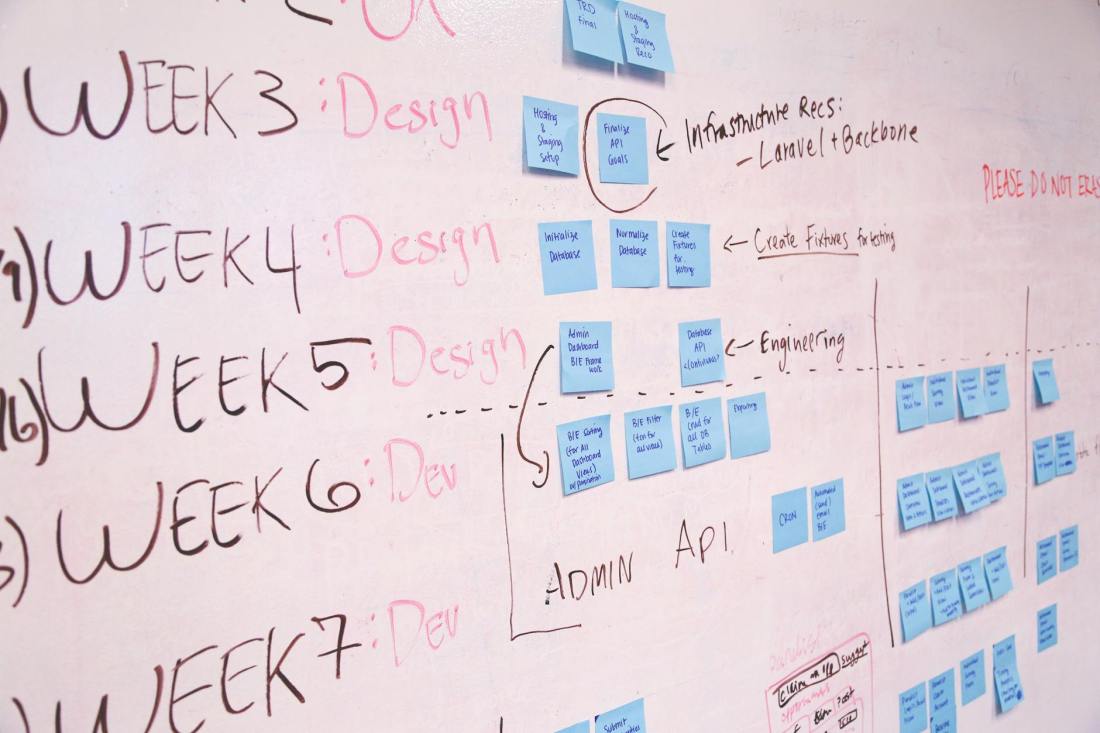
Azure: Check your data platforms resiliency

Wait, what? Resiliency? Against what? Well. The cloud sounds like an amazing, magical place without limits. The truth is, it isn't. Maybe you've seen the funny T-shirts with the text "the cloud is just someone else's computer". And that's true. Instead of building and maintaining your own data centre, you're hiring a global corporation to … Continue reading Azure: Check your data platforms resiliency →

250 blog posts

Last week, I noticed that I published my 250th blog post. I'm not sure if it's something to celebrate (I'm not really someone who celebrates things), but it is an extra reason to write a new post. Endurance I started writing in 2018 after Brent Ozar suggested I do this. He also told me that … Continue reading 250 blog posts →

Microsoft Fabric, taking over orphaned deployment pipelines

Last week, we ran into an issue where deployment pipelines are owned by a person who no longer works for our organisation. This meant we could not access the deployment pipelines owned by this account. API The way to recover them is to use API's. At first, we all thought that using the Fabric API's … Continue reading Microsoft Fabric, taking over orphaned deployment pipelines →

Chocolatey, and how to quickly set up your new laptop

Last month, my company got me a new laptop. I have very little choice in which one I get, and I have to reinstall a lot of software. So, what to do next? Option one: download and install This is something I see a lot of people do: make a list of the software they … Continue reading Chocolatey, and how to quickly set up your new laptop →

SQL MCP: Local to Fabric Lakehouse

Let's be honest, you thought of doing this yourself. Connecting two tools that seem to serve very different purposes. But, as I had a day to fool around, I thought to myself, let's see if I can make this work. In the previous blog post on MCP Local, I described how to run your MCP … Continue reading SQL MCP: Local to Fabric Lakehouse →

SQL and MCP, the local edition

In the previous blog posts, I've written about installing MCP and how it works, followed by how to use it with an Azure SQL Database through an Azure Container Instance and Microsoft Foundry. But, you can also use your favourite local database (SQL Server ;)) and Visual Studio Code. The reason Visual Studio Code is … Continue reading SQL and MCP, the local edition →

SQL and MCP, Azure SQL Edition

In part one, I covered the basics of your Data API Builder setup. Now, it's time to get into the real stuff :). For the demo, I'm using the Stack Overflow 2013 database on an Azure SQL General Purpose Serverless 8-core database. It's not a very large dataset (making it less expensive to host on … Continue reading SQL and MCP, Azure SQL Edition →

SQL, Azure SQL and MCP, the Introduction

This three-part series of blog posts will take you along my first experiments, trials and errors using the MCP Service for SQL. This first blog will focus on the technology behind it; part 2 will focus on Azure SQL options; and the last part will dig a bit deeper into running this on your local … Continue reading SQL, Azure SQL and MCP, the Introduction →

DP-700 training: implement database projects

Some of you might recognise database projects from either Synapse Analytics or SQL Server. Yay for the latter ;). A long story, very short, database projects are a way to develop and deploy your databases using a CI/CD (Continuous Integration/Continuous Development) approach. For each database, the code you've written is saved in a specific project … Continue reading DP-700 training: implement database projects →

Loadtesting SQL, the sequel

Some time ago, I wrote a number of blogposts comparing the different Azure SQL options to give you some idea about performance, differences between tiers and differences between the Stock Keeping Units (SKU's). This was done by creating data in the database itself and review the metrics. This works fine and gave a good overview … Continue reading Loadtesting SQL, the sequel →